

Maintaining the value and longevity of real estate assets is a paramount concern for property owners and investors alike. The approach taken to property maintenance can significantly impact both short-term operational costs and long-term asset appreciation. At Vintage Corporation, we understand that choosing between waiting for problems to arise or actively anticipating them is a critical strategic decision that defines a property's health and profitability. This distinction between predictive and reactive maintenance is not merely theoretical; it's a practical difference that influences everything from tenant satisfaction to capital expenditure.
The Pitfalls of Reactive Maintenance
Reactive maintenance, often termed "run-to-fail" maintenance, is a strategy where repairs are performed only after equipment or systems have broken down. While seemingly cost-effective in the immediate short term by avoiding upfront investment in monitoring, this approach is fraught with significant downsides. Unexpected failures can lead to costly emergency repairs, potential damage to other components, and prolonged downtime, which can be particularly detrimental for rental properties or commercial spaces. For instance, a sudden boiler failure in winter can result in high emergency repair costs, tenant inconvenience, and even potential health and safety risks, directly impacting tenant retention and the property's reputation.
The Power of Predictive Maintenance
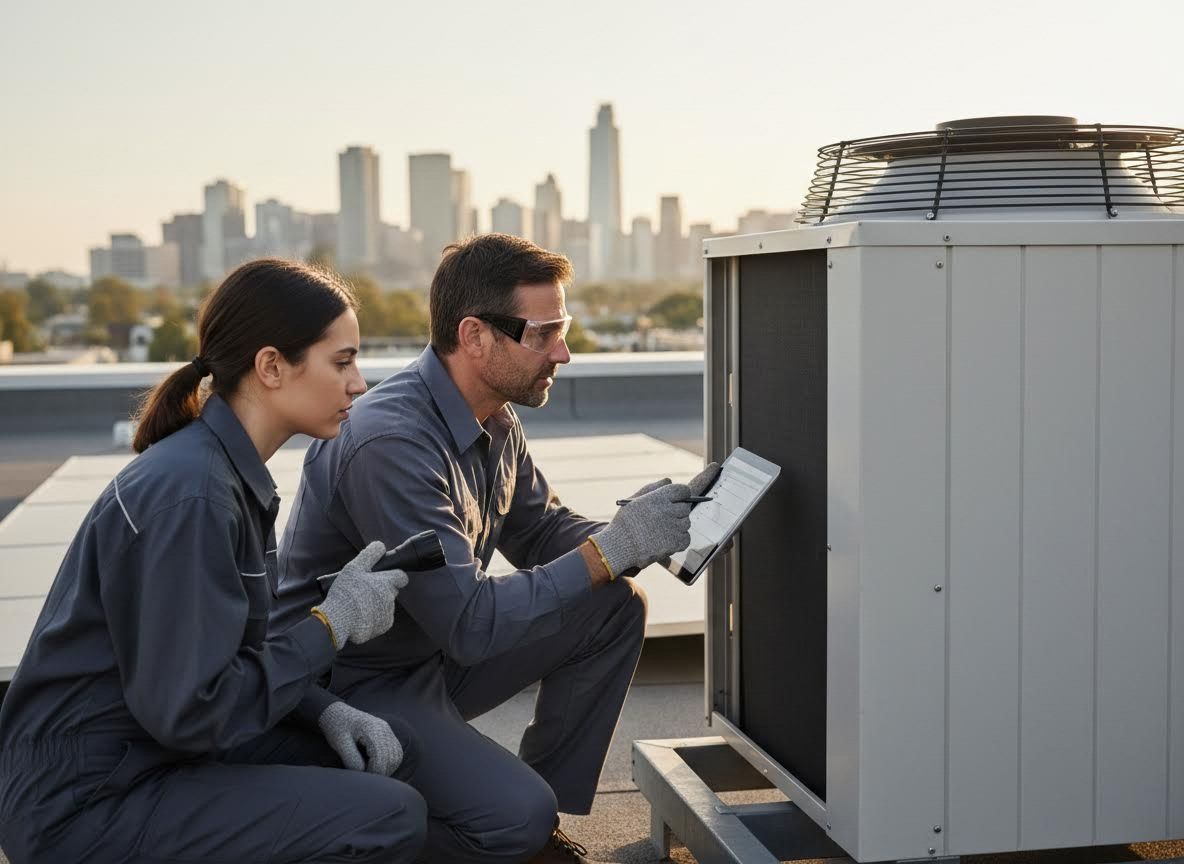
In contrast, predictive maintenance utilizes advanced techniques and data analysis to anticipate equipment failures before they occur. This proactive strategy involves continuous monitoring of asset conditions using various technologies, such as thermal imaging, vibration analysis, and routine inspections. By identifying potential issues early, property managers can schedule maintenance at optimal times, preventing costly breakdowns, extending the lifespan of assets, and ensuring smoother operations. This foresight allows for planned expenditures rather than unexpected financial burdens, providing greater budget control and improved resource allocation for any Colorado rental management company.

Tailoring Maintenance for Diverse Real Estate Assets
The advantages of a predictive maintenance approach are evident across various real estate sectors. For residential property management, it means fewer emergency calls from tenants, leading to higher satisfaction and lower turnover rates. Regular, scheduled checks on HVAC systems, plumbing, and electrical components prevent minor issues from escalating into major disruptions that impact resident comfort and safety. Similarly, in commercial property management, where operational continuity is crucial, predictive maintenance minimizes business interruption, preserves lease value, and supports long-term tenant relationships. Implementing comprehensive preventative schedules also streamlines lease management, as property conditions are consistently well-maintained, simplifying move-ins and move-outs.
Protect Your Investment with Proactive Management
Transitioning from a chaotic reactive model to a strategic predictive maintenance schedule requires time, resources, and trusted vendor networks. At Vintage Corporation, we leverage 40 years of local expertise to handle the heavy lifting for you—implementing routine inspection frameworks, monitoring asset conditions, and catching minor issues before they become catastrophic capital expenses. Whether you own a single-family rental, manage an HOA community, or oversee a large commercial complex, our team ensures your property operates at peak efficiency year-round. Contact Vintage Corporation today to partner with Northern Colorado’s property management experts and secure the long-term profitability of your real estate portfolio.